



By Reuben Olita
Kenya and Uganda have heightened surveillance and preparedness measures amid fears of a possible Ebola outbreak in the two neighbouring countries.
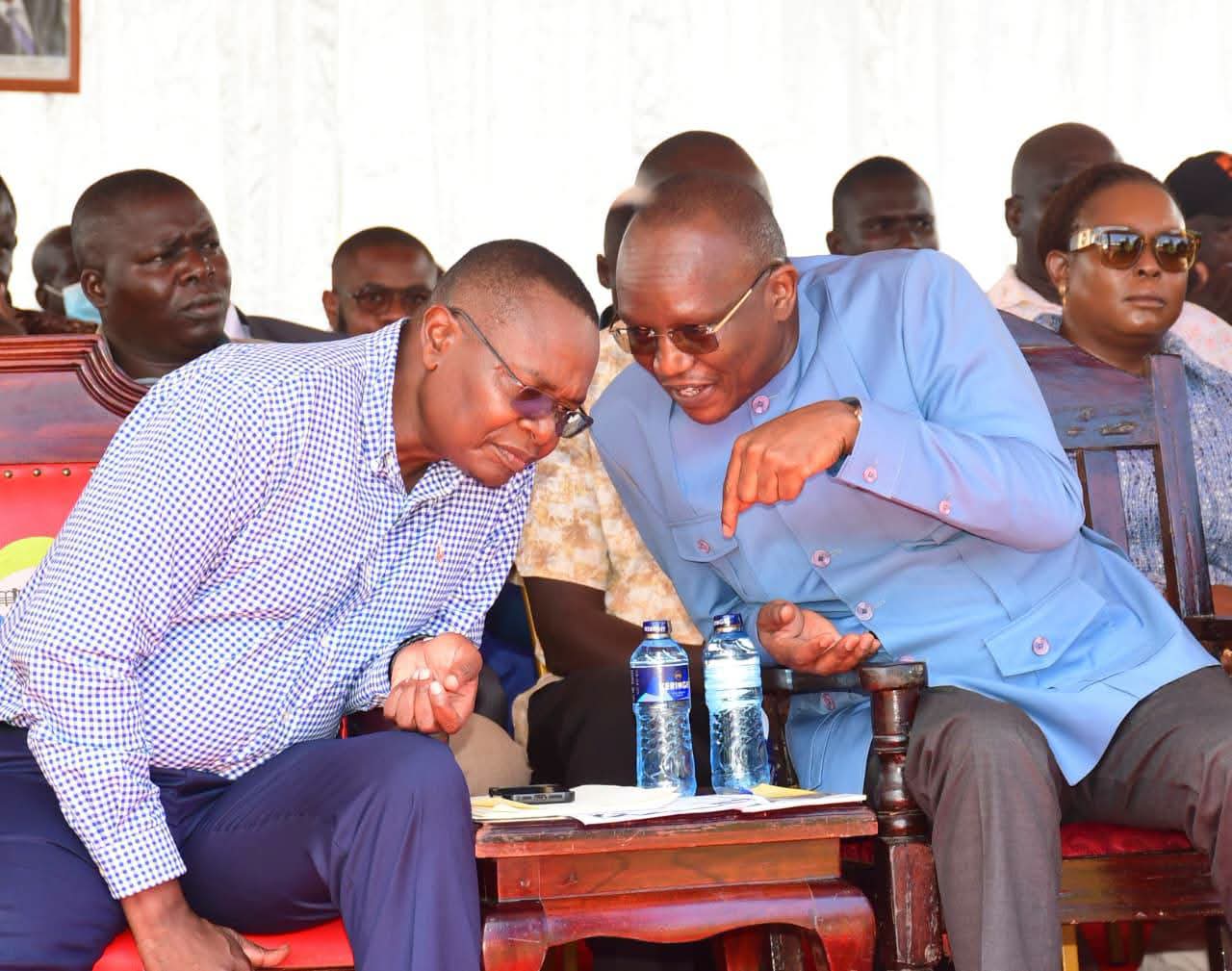
Speaking during the 63rd Madaraka Day celebrations at Kopiya Comprehensive School in Changara Division on Monday, officials from both countries urged residents living along the border to remain vigilant and observe preventive health measures.
Busia Governor Paul Otuoma said county authorities are closely monitoring the situation and have engaged health officials from Uganda to provide updates on the Ebola situation in the region.
“We have deployed a team to assess the situation and identify isolation centres should Ebola cases be detected in Kenya,” Otuoma said, adding that the county government is working closely with security agencies to prevent the disease from entering the country.
Busia Deputy Governor and County Executive Committee Member for Health and Sanitation Arthur Papa Odera urged residents to adhere to preventive measures, including regular handwashing and avoiding unnecessary physical contact.
“We are reaching out to Uganda to ensure the disease does not reach Kenya. There is a need to observe contingency measures, including the use of sanitizers and maintaining good hygiene practices,” Odera said.

Busia County Commissioner Stephen Orinde revealed that officials from Kenya and Uganda on Monday met in Busia to discuss strategies for preventing the spread of Ebola across the shared border.
“If Uganda intensifies measures to combat Ebola and Kenya does not, it will amount to zero effort, and vice versa,” Orinde said. “Prevention is better than cure.”
He noted that Busia and Malaba remain highly active border points, making cross-border collaboration essential in disease surveillance and response.
“Some people are making jokes about Ebola on social media, but Ebola is a deadly disease. We must take the threat seriously and work together to prevent an outbreak,” he said.
Orinde also recalled the lessons learned during the COVID-19 pandemic, urging residents not to ignore public health advisories.
Responding on behalf of Ugandan authorities, Busia District Assistant Resident District Commissioner Jackline Masiga said Uganda has put in place elaborate contingency measures aimed at preventing and containing any potential Ebola outbreak.
Health officials from both countries emphasized the importance of early detection, public awareness, and cross-border cooperation in safeguarding communities from the deadly disease.
*Ebola virus disease symptoms* usually show up 2 to 21 days after exposure, with 8-10 days being most common.
They start out flu-like and can progress quickly:
*Early/”dry” symptoms* – first 4-5 days
– Sudden high fever
– Severe headache
– Muscle + joint pain, aches
– Weakness and extreme fatigue
– Sore throat
*Later/”wet” symptoms* – as illness gets worse
– Vomiting and nausea
– Diarrhea + stomach/abdominal pain
– Loss of appetite
– Skin rash
– Red eyes
– Chest pain, shortness of breath, hiccups, confusion, seizures

*Severe symptoms*
– Unexplained bleeding or bruising – from gums, nose, ears, eyes, mouth, or in stool/vomit
– Kidney and liver failure, yellowing of skin/eyes
– Multi-organ failure
How Ebola spreads: Direct contact with body fluids, blood vomit, diarrhea, sweat, saliva, urine, seven, breast mill of someone who is sick with Ebola.

