



By Reuben Olita -Busia
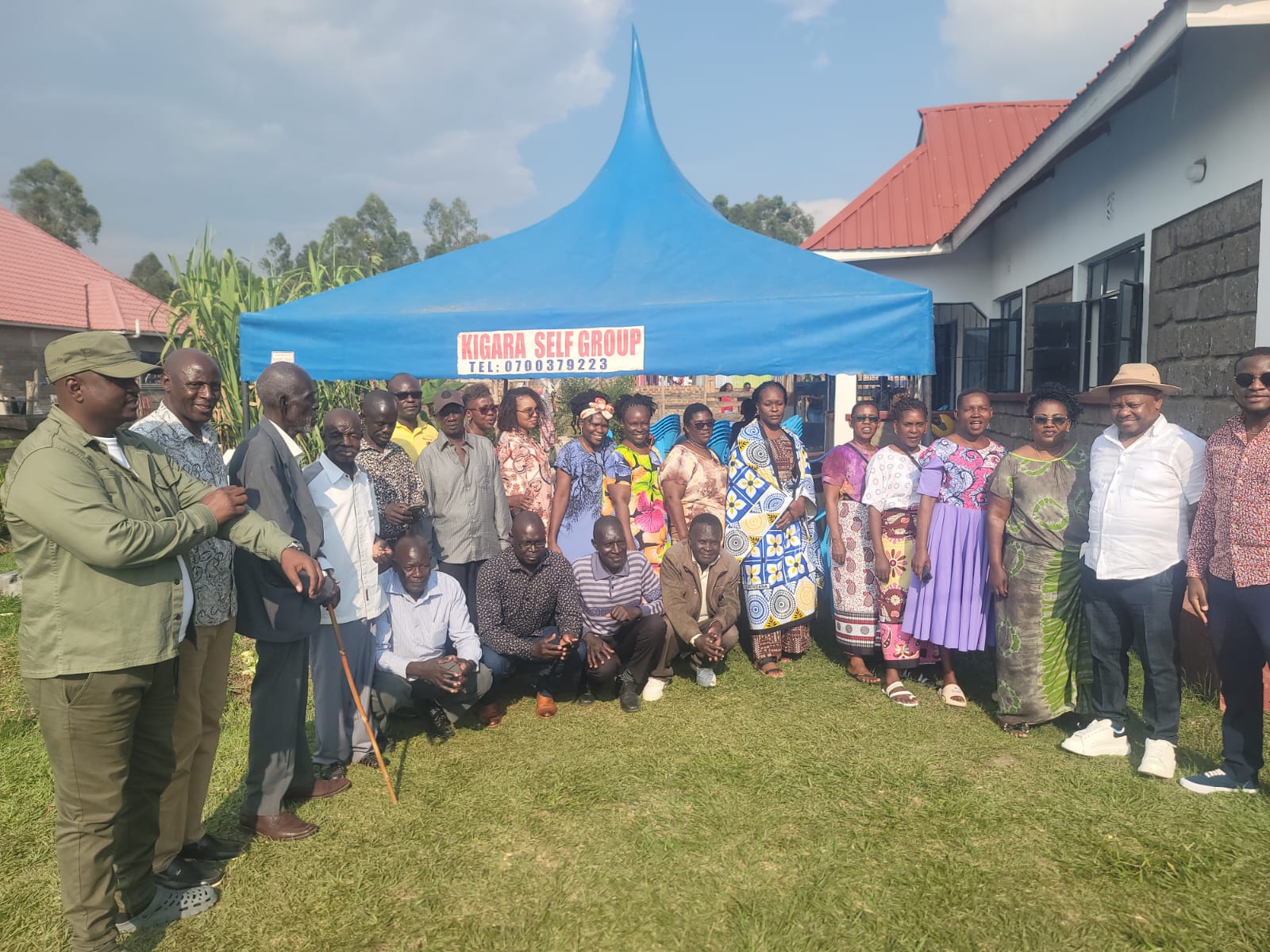
Women from the Rabai community of Kilifi County on Friday boldly demonstrated their influence by asserting their right to participate in dowry negotiations, challenging long-held traditions among men from the Iteso community.
Traditionally, women from the Iteso community have never been allowed to sit at the negotiation table during dowry discussions, which are regarded strictly as a male domain. However, events in Malaba may force men from the Imaare clan to reconsider this stance after witnessing the decisive role played by Rabai women.

Members of the Imaare clan were left stunned when women from the Rabai clan joined the negotiations—and even outnumbered the men at the table. The Rabai delegation was chaired by Simon Makame, while the Imaare clan team was led by Fredrick Ekiring.
Undeterred by cultural boundaries, the Rabai women showcased their confidence and unity by breaking into song and dance after both parties reached an agreement on proposals presented by the Imaare clan. Other women inside the house joined the celebrations, marking the moment with jubilation likened to the appearance of white smoke signalling the election of a new pope.
Speaking during the ceremony, the bride’s cousin, Jimson Mwanyefa from Mombasa County, described the occasion as historic.
“It was a fabulous day seeing the groom’s side come with their wives, aunts, fathers, and uncles. On the Teso side, there were only uncles—no women at all. This is surprising because they say their culture does not allow women to participate in dowry negotiations,” Mwanyefa said.
Mwanyefa noted that women have made remarkable strides in modern society and should not be sidelined.
“Even in national leadership, we now have about six women governors in Kenya and several women in the Cabinet. This is a new evolution, and Teso men should emulate this progress by involving women who have a lot to contribute. Whether through traditional songs, cooking, or ideas, women help society move forward.”
He added that Busia County could soon follow the path of counties like Homa Bay and Embu, which are led by women governors, citing Embu Governor Cecily Mbarire, who is married within the region.
“You have married a woman leader, so do not demean women. They are ahead of the pack,” he emphasized.
Jimmy Mwaluma from Taita Taveta echoed similar sentiments, noting that Kenya is rapidly embracing inclusive leadership.
“We are seeing leadership increasingly being taken up by women.Women involvement in dowry negotiations will spice the occasion with inherent benefits.
In Teso culture, if a girl agrees to be married, negotiations for dowry would and would take even 10 years like the case of Moses Garero from Rabai Community and Susan Wasike from Imaare clan of Kaukotoit village in Malaba North Ward. The dowry includes 10 cattle and 6 goats, although the numbers can be whittled during negotiations or being subjected to the monetary of the agreed amount per animal as for the case of Friday’s negotiations.
Imaare spokesperson Bramwel Onyiko thanked the two chairmen Ekiring and Makame for taking the shortest time possible to solve the impasse. He also thanked the bride’s daughter Susan Wasike and siblings Claude, Rose, Oscar, Violet, and Susan Wasike, and son-in-law Moses Garero for well organized celebrations.
Team Imaare chairman and 2027 Malaba North MCA aspirant Fredrick Ekiring thanked Team Rabai for their patience, terming the occasion a great success.

